- 4356 + containers delivered
- Serving Carroll County
Common Warsaw projects
Dumpster sizes for Warsaw renovation debris
The right container depends on the material, access, and length of the project. These six options cover the work most often discussed for Warsaw homes and properties.
Residential Cleanout Dumpsters
For Warsaw homes near the river or older central streets, a cleanout container can collect furniture, household contents, flooring, and general renovation debris without mixing the project across several piles.
Home cleanupHome Renovation Dumpsters
Kitchen, bath, and whole-room work in Warsaw can produce cabinets, drywall, trim, tile, and lumber. Choose by the demolition area and the weight of dense materials, not floor area alone.
Remodel debrisYard Waste Dumpsters
Warsaw lots can collect storm branches, brush, fencing, and landscaping waste after wet weather. Keep soil, heavy stumps, and other dense material separate in your description so placement and size are realistic.
Outdoor cleanupMoving and Estate Cleanout Dumpsters
Older Warsaw houses often hold decades of furnishings, boxed contents, and worn fixtures. A measured cleanout plan keeps the container accessible while leaving doors, driveways, and needed walkways usable.
Property transitionRoofing Dumpsters
Roof replacement around Warsaw requires room for shingles and underlayment, plus a placement spot close enough for safe loading. Tell us about the roof area, driveway grade, and any low branches.
Roofing debrisConcrete and Construction Debris Dumpsters
Concrete, brick, block, and masonry from Warsaw projects become heavy quickly. Describe the material before delivery because dense debris may require a smaller load or specific loading limits.
Heavy materials
Material and weight
Warsaw homes make the size decision more physical
A Warsaw renovation can look modest while producing surprisingly dense debris. Older river valley homes may contain plaster over lath, multiple flooring layers, solid wood trim, masonry, or heavy cabinets. Newer remodeling can add drywall, shingles, tile, and demolition lumber. Volume tells you how much space the load occupies, but weight determines whether that space is practical. A 20-yard container filled with light framing behaves differently from the same container loaded with concrete or saturated roofing debris. Tell Axel Dumpster Rental what is being removed, not just which room is changing. That detail helps separate a roomy container from a container that is too large for the material.
Driveway patterns matter just as much. Central Warsaw properties may have narrow approaches, shared drives, or limited street frontage. Homes farther from the older grid may offer more room but still have gravel, slopes, soft edges, or turns that a delivery truck must negotiate. A container needs a firm, reasonably level location with clearance for loading and pickup. Protecting access can mean placing it farther from the house, which may change the size that makes sense. The less expensive option is sometimes a smaller container with planned loading, especially for masonry or plaster. A larger option is more useful when the debris is bulky and light.
A practical Warsaw size decision considers three things: what the debris is made of, how far it must be carried, and where the truck can safely place the container.
Dense plaster, tile, brick, and concrete deserve a weight discussion before delivery.
Older driveways and sloped river valley lots may require placement details beyond a street address.
Warsaw conditions
Warsaw access changes where a dumpster can sit
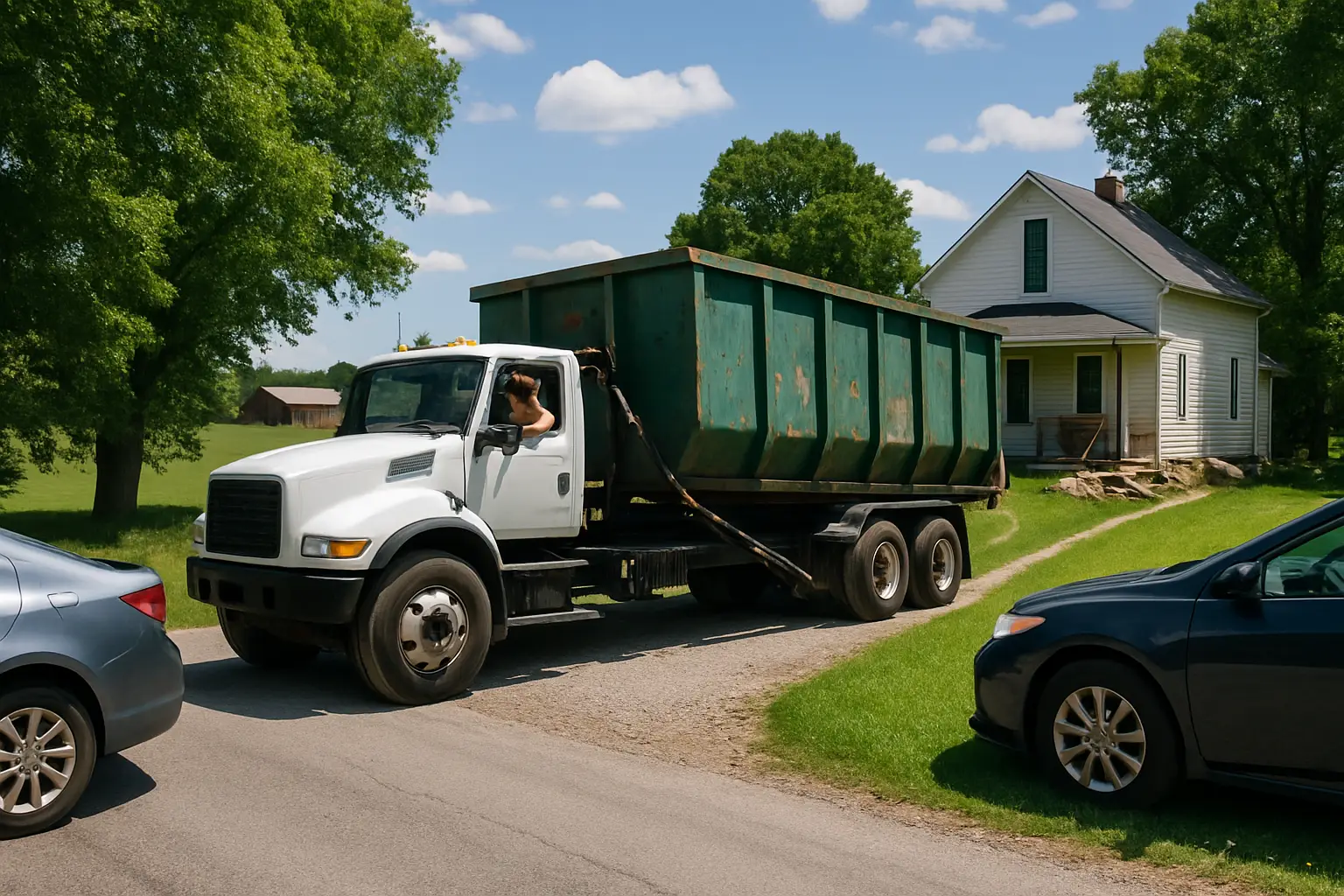
Warsaw properties often sit along the Ohio River valley, where older homes, sloped approaches, narrow side yards, and established streets can make placement less forgiving than a newer subdivision. A driveway may look open from the street but still have a sharp turn, soft shoulder, low branch, or overhead utility conflict. Axel Dumpster Rental confirms placement access and documents debris limits before every delivery, so the driver has usable instructions rather than a vague address. Tell us whether the container will sit on a driveway, beside a renovation, or near a commercial corridor, and describe the approach before the truck is dispatched.
River valley weather matters after wet springs, summer storms, and freeze-thaw cycles. Saturated ground can rut quickly, while older concrete and asphalt may have uneven edges that affect the container position. Warsaw homes also bring renovation materials from different eras, including plaster, lumber, flooring, shingles, cabinetry, and masonry. Those materials do not all load the same way. A low, dense pile can weigh more than its volume suggests, so the size decision should consider both the amount and the material.
Much of Warsaw’s work is tied to existing homes and small commercial properties rather than wide-open construction lots. Streets around the courthouse area and river-facing blocks can leave less room for maneuvering, while larger lots outside the central grid may still have soft shoulders or long gravel drives. Trucks come from Carrollton, and the delivery plan depends on the actual site. Photos or clear access notes help identify where the container can be placed without blocking doors, garage use, drainage, or regular traffic.
Before delivery
Prepare the Warsaw site before the truck arrives
- Measure the Warsaw driveway entrance and note sharp turns, slopes, soft shoulders, and low branches.
- Keep vehicles, trailers, stored materials, and household items out of the planned container footprint.
- Describe plaster, roofing, concrete, brick, soil, or other dense debris before choosing a Warsaw container.
- Check that doors, garage access, drainage paths, and regular traffic remain usable after placement.
- Tell us about wet ground, gravel, shared drives, or street placement so access can be reviewed.
Warsaw questions
Answers for local dumpster planning
What dumpster size works for a Warsaw home renovation?
The right size depends on the material, demolition area, and available placement space, not the room count alone. A small bathroom or garage project may fit a 10-yard container, while several rooms, roofing, or a larger move may need a 15-yard or 20-yard option. Warsaw homes with plaster, tile, masonry, or layered flooring need a weight discussion before delivery. Have the rooms, materials, driveway shape, and estimated loading area ready when you call.
Can a dumpster fit on a narrow Warsaw driveway?
Often, but the approach and placement area must be checked before delivery. Narrow Warsaw drives may include a sharp turn, slope, soft edge, overhead branch, or shared access that affects where the truck can set the container. A street location may require permission before placement. Describe the entrance, surface, width, nearby obstacles, and whether neighbors need access so the delivery plan can be reviewed accurately.
What debris can I put in a Warsaw dumpster?
Common renovation debris includes household contents, lumber, drywall, flooring, cabinets, shingles, brush, and similar project material, subject to the container’s stated limits. Warsaw cleanouts may also involve plaster, tile, brick, concrete, or soil, which are dense and should be identified before loading. Keep prohibited or uncertain materials separate until they are discussed. Make a simple material list and mention anything heavy, wet, chemical, or unusual when arranging the project.
How does wet weather affect dumpster placement in Warsaw?
Wet ground can make a driveway edge, gravel lane, or yard unsuitable for a loaded container and delivery truck. Warsaw’s river valley setting means saturated soil and storm runoff deserve attention, especially near soft shoulders or drainage paths. A firm alternate spot may be safer than the shortest route to the house. Check the planned footprint after rain, keep drainage clear, and describe recent ground conditions before delivery is scheduled.
How should I prepare for a Warsaw roofing dumpster?
Place the container where roofing crews can load safely without blocking the driveway, garage, or normal passage. Shingles and underlayment are bulky and can become heavy, so the roof area and material type should be discussed before selecting a size. Warsaw properties may have low branches, narrow approaches, or sloped drives that change the placement plan. Clear vehicles and equipment from the route, then provide the roof scope and access details when you call.
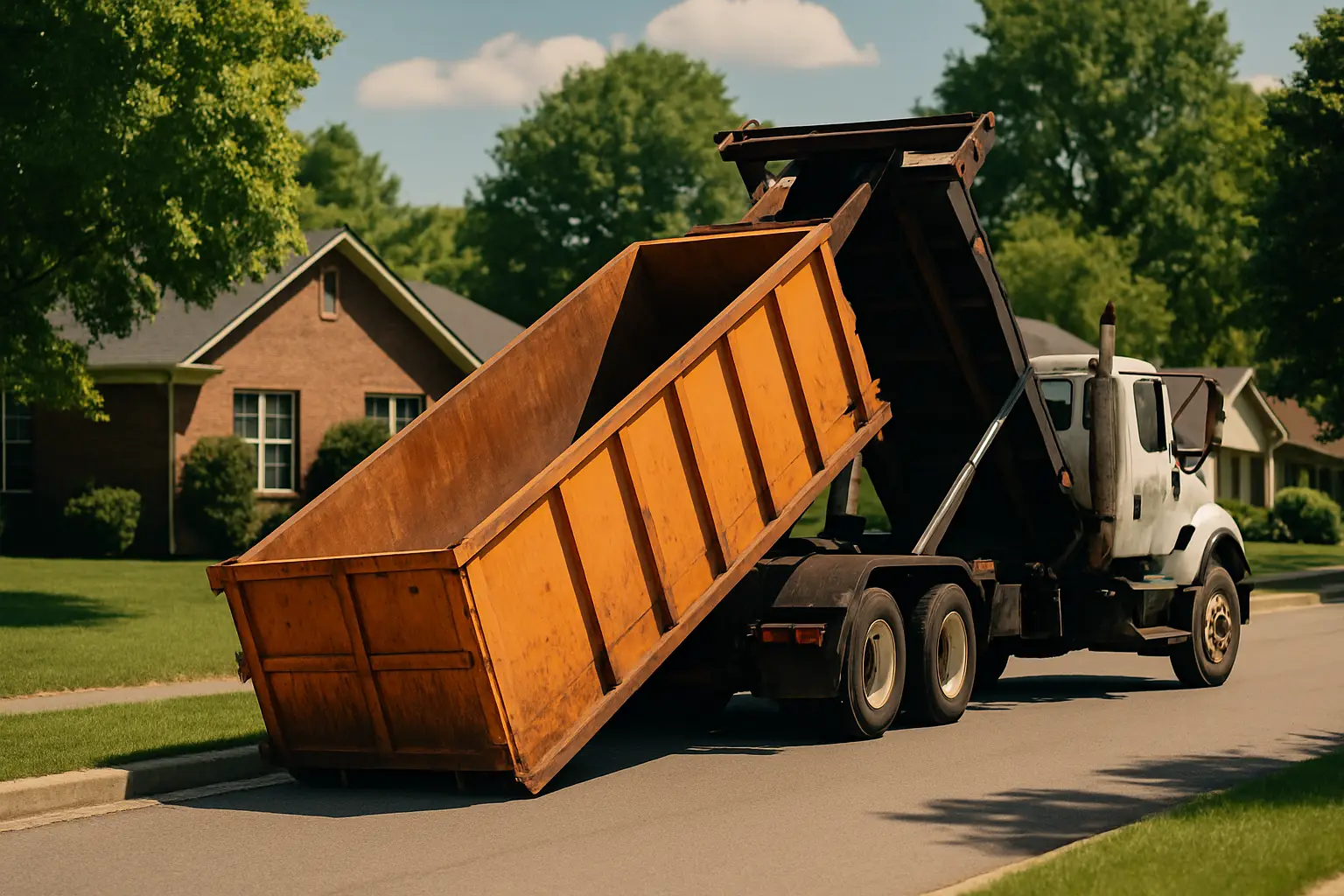
Plan the container around the actual Warsaw site
Tell Axel Dumpster Rental what you are removing, where the container may sit, and what the truck must navigate. Have the driveway surface, project materials, and preferred placement area ready for a practical size and access discussion.
Click Here to Call(502) 788-7103Nearby service area
Dumpster delivery follows Warsaw’s working streets
Axel Dumpster Rental serves projects throughout Warsaw, including the historic courthouse area, river-facing blocks, residential streets near the central grid, and nearby approaches toward the county roads. Placement is reviewed by the actual property rather than assumed from the town name. Tell us whether the job is beside an older home, along a narrow street, on a gravel drive, or near a commercial property so the truck route and container position can be discussed.